
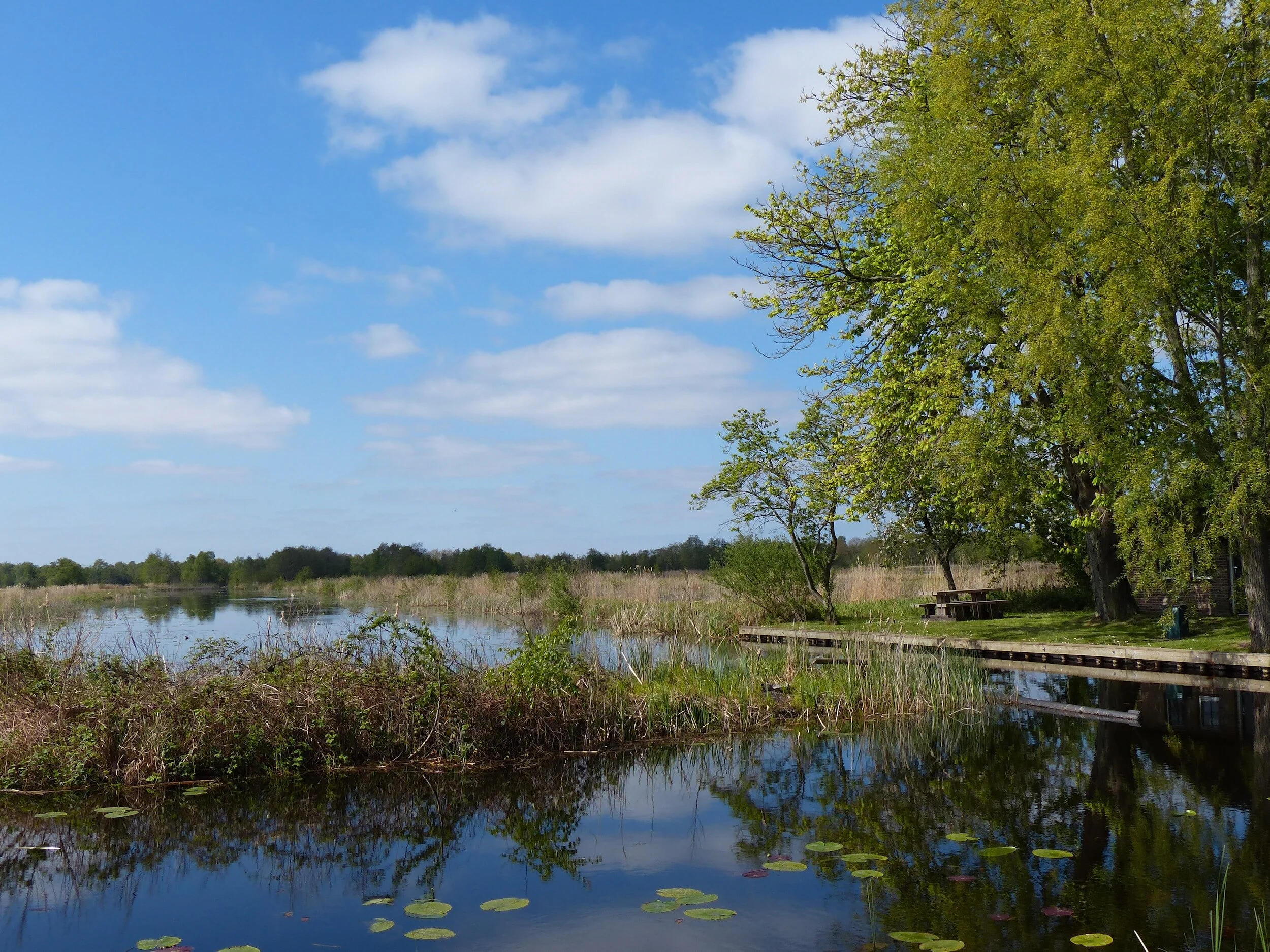
On May 25th, 2023, the U.S. Supreme Court issued a 5-4 decision on Sackett v. EPA, No. 21-454. This case follows the recent Supreme Court’s trend loosening environmental protection laws and weakening agency power. Here, the Court’s ruling will shrink the U.S. Environmental Protection Agency (EPA)’s jurisdiction to enforce the Clean Water Act (CWA), by limiting regulatory authority to wetlands only if they have a continuous surface water connection to navigable waters such that they are indistinguishable from these bodies of water.
Battle RGGI: How the carbon emissions program has highlighted Pennsylvania’s political strife over environmental issues.
The question at issue is whether Gov. Wolf can enter RGGI through executive order - something that RGGI opponents staunchly deny. They argue that Gov. Wolf’s order undermines the legislature’s exclusive authority to impose taxes and enter interstate agreements. As an energy powerhouse, Pennsylvania’s entrance would significantly strengthen RGGI and become a “political litmus test” for carbon pricing programs. RGGI would arguably be the most significant step Pennsylvania has ever taken to address climate change, and the battle over it has brought political tensions around environmental issues to the forefront.
Benefits of the Water Works Dam Removal Project in Warren, Ohio
The Water Works dam is scheduled to be removed by December 2023 with the total cost of the removal expected to be $3,225,500. As the Limited Environmental Review states, the project is to be funded by the Ohio EPA through its Water Resource Restoration Sponsor Program (WRRSP) and the Eastgate Regional Council of Governments. To learn more about the Warren Water Works Dam removal or the Mahoning River Corridor Revitalization Plan. . .
Environmental Justice: A Path Forward?
A 51-year-old (Almost) Trendsetter: The Pennsylvania Environmental Rights Amendment
Why Civic Engagement is Essential to the Continued Evolution of the Environmental Movement
In April of 2020, due to COVID-19 lockdowns, many Sunshine Laws were indefinitely suspended throughout the country. Courtrooms began to hold virtual hearings and trials over telecommunication platforms like Zoom, Skype, and Teams. The Ohio Office of Attorney General announced, “… with the COVID-19 pandemic persisting, the General Assembly passed House Bill 197 and then H.B. 404, giving public bodies the ability to meet virtually instead of in person, as required by Ohio’s Open Meetings Act (R.C. 121.22).” Public bodies were no longer required to hold in-person meetings, hearings, and trials; rather, many public meetings and hearings became virtual. While numerous states have reinstated their Open Meeting/Sunshine Laws, others have continued to utilize telecommunications and hold most of their meetings, trials, and hearings virtually.
SCOTUS' Decision in West Virginia vs. EPA Weakens Federal Climate Efforts
On June 30th, the Supreme Court weakened the Environmental Protection Agency’s (EPA) ability to protect the environment. In West Virginia v. EPA, a 6-3 decision authored by Chief Justice Roberts and joined by the other conservative justices, the Court ruled the EPA overreached in its efforts to curb air pollution. This decision forebodes more significant limitations on the EPA and other government agencies’ efforts to effectuate change. The ruling also makes clear what many environmental advocates already knew: the federal government, as currently designed, will not be the leader in the fight against climate change. Grassroots movements, community-oriented advocacy, and mass mobilization are essential in the effort to protect the planet, now more than ever.
Ohio Dedicates Funding to Appalachia Revitalization
Last week Ohio Governor Mike DeWine signed House Bill 377 into law establishing the Appalachian Community Grant Program to the tune of $500 million. The program provides the historically economically disadvantaged region with much needed funding dedicated to sustainable, transformational projects. The program aims to rejuvenate the region and stimulate economic growth through improvements in infrastructure, workforce development, and healthcare across its 32 counties.
Fracking Wastewater Concerns Resurface on Pennsylvania Roads as the DEP Undergoes an Evaluation of Coproduct Determinations
Fair Shake and Fractracker Alliance are asking you to take action and raise awareness of spreading brine wastewater on roads to protect our communities’ health and environment from chemical contamination. If you see this being performed in your community, notify Fair Shake here. It would be helpful to us to know which township or borough the spreading was observed in and if a specific company was performing the spreading. Your contributions will help us obtain further information on this practice to help stop it going forward.
Winning on Environmental Issues Starts with Participation in Your Community
A key part to effectively make your voice heard is early and vocal participation in municipality-level public meetings in which decisions are made. In many cases, if a decision is made during a public meeting which you did not attend, you may be barred from later bringing an appeal of the decision in court, regardless of how erroneous the decision made is.