
Disclaimer: This narrative is a fictionalized account inspired by real community experiences, news reports, and public comments from residents living near data centers in Virginia and similar regions across the US. While the characters and specific events are not real, the concerns and situations described reflect common themes found in community feedback and research.
Written by Sylas Yarad, Fair Shake Volunteer
When I moved to Virginia after college in 2016, I wanted a quiet neighborhood to call home, close to work and family. After the data center arrived, everything changed. I can’t bring myself to leave, even though I no longer see myself starting a family here. Over the past decade, I’ve built a support network, advanced my career, and remained close to relatives who depend on me. Every weekend, I watch my nephews, who go to the local elementary school just down the road. They notice the changes too, though they cannot comprehend their implications. Now, I feel stuck and unsure what to do.
When I wake up, the first thing I notice is how tired I am. In winter, when the trees have lost their leaves, the data center lights shine directly onto my pillows, almost like spotlights. At first, I just turned the bed to face the wall. A little extra light didn’t seem like a big problem. Lots of people have streetlights outside their windows or live near busy roads. If it were only about the light, I might be able to handle it. But it quickly became more than that, affecting my day-to-day routine in noticeable ways.
Just last night, I tried to block the light with pillows and blankets, but they couldn’t block the noise. Now, as I get dressed for work, I can feel the artificial light fading as the sun rises, but the soft morning glow is dimmed by the haze of light pollution that covers the neighborhood. I head to the bathroom, rubbing my jaw, and listen to the constant electrical hum. It's barely perceptible, but constant. Looking toward the sink, I take in the empty water bottles lined up on the counter. This is how I’ve taken to brushing my teeth: about half the time, when I turn the tap on, the water comes out cloudy with a light brown tinge. Even though the data center swears it has investigated and concluded that it has “no adverse effect” on the groundwater, I can’t help but feel anxious. There are too many strange coincidences. Unable to shake the thought of a certain town in Michigan, I started buying bottled water to brush my teeth, cook with, etc. Today I flip the tap on, and it sputters weakly, barely leaking out a thin trickle of cloudy water. I turn it off again and make a mental note to call the plumber—the third time in the last two months—in an attempt to correct the fluctuating water pressure, though it was beginning to feel like a waste of time and money. I’ve also noticed the electric bill creeping higher each month. My neighbor says her rates are up, too. She blames the new data center. I looked into this, but the power company says prices are rising for all sorts of reasons, which seemed to me like a pretty convenient answer for the timing of it all. Desperate, I even did a bit of research on my own and read an article about families in nearby counties whose bills spiked after a data center moved in. I'd sat back from my computer, half triumphant, half defeated, feeling like I finally had some proof or evidence that what my community and I were experiencing was real. But what would I do with it? Who would listen?
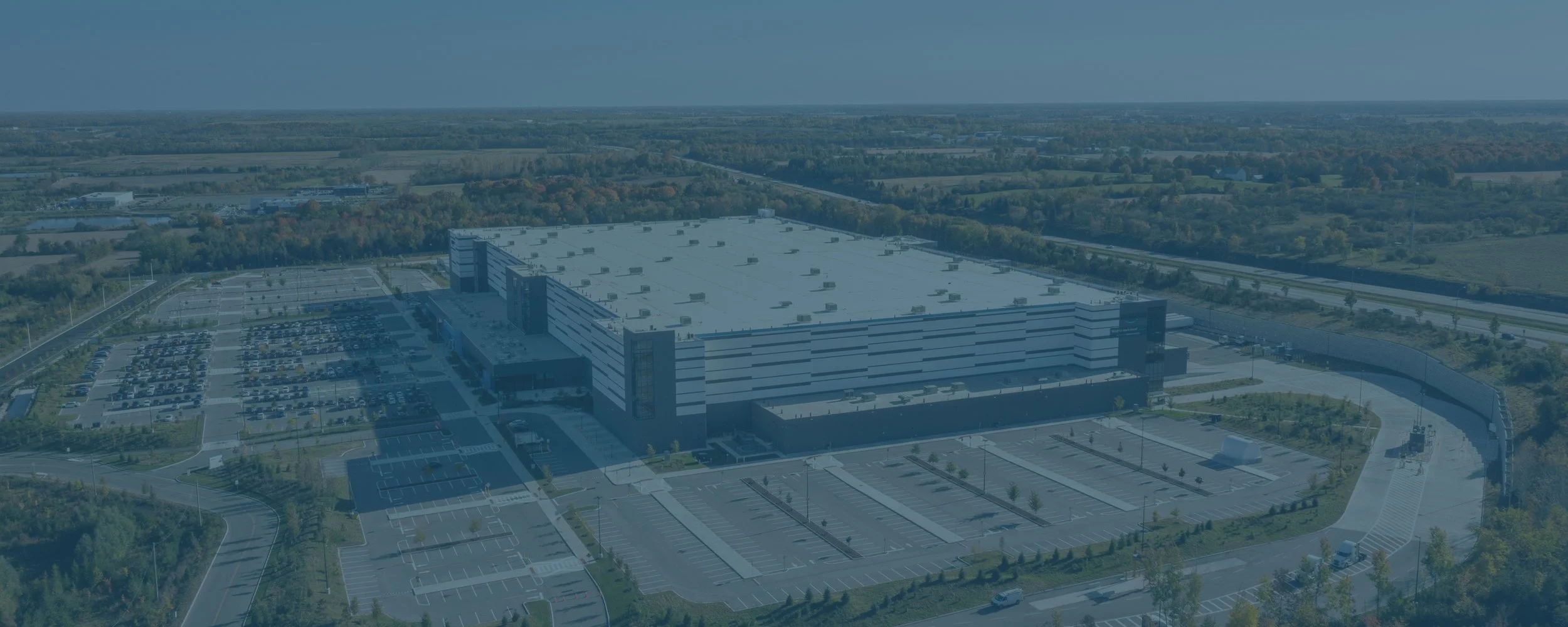
I go downstairs and make breakfast, trying to use the sink water as little as possible. I think of my nephews at the school just down the road. I hate to think of them drinking from the fountains there, completely oblivious to the risk it might pose. Barely enjoying my oatmeal, I gaze through the back door, the new view muting my appetite. When I first moved into the house, one of the biggest draws was the backyard, which looked out across a service road into a field of weeds and wildflowers. It wasn’t upkept, but it added a certain level of natural charm to the home. I would see kids play there when the weather was warm: kickball games, races, football, etc, sometimes with a dog or two in tow. The field had since been cleared, stripped of the wild flora and fauna, and replaced by rows of concrete boxes with dark, forbidding windows and incessant blinking lights.
In fact, since the data center was built, the whole neighborhood feels transformed. Workers in reflective vests outnumber familiar faces, and businesses struggle with lost customers. Every conversation centers on the data center and our uncertain future. Some neighbors started an online group to share updates and resources. Others have gone door-to-door with petitions, asking for a pause on new data center construction until stronger protections are in place. People are talking about new local rules that would require better lighting controls and stricter environmental checks for future projects. I never thought I’d be emailing council members or going to city hall meetings, but now I’m joining others to ask for better safeguards for our homes and health. It’s tiring, exhausting even, to feel like I have a whole other job doing something that shouldn't be my responsibility. The one good thing that's come out of any of it is seeing how working together brings new voices and energy from the community. If the situation weren't so frustrating, it might even be heartwarming; the thought that If we keep trying, maybe something, anything might give.
At first, many of us simply tried to adapt. People bought blackout curtains and noise machines, though neither of those did anything about the smell of gasoline, which pervaded the air when the diesel generators kicked on. Eventually, the frustration came to a boiling point. I had never had any interest in local politics, but I, along with many others, suddenly became regulars at community meetings. I remember the air of desperation in the local school gym, the same one my nephews attended, as parents, retirees, and young families voiced their concerns to local officials to no avail. As a result, some people have banded together to write petitions and collect water samples to combat the center's unsatisfying assurances of safety, while others have quietly resigned to simply put their houses on the market. No matter the effort, it feels like no one is listening. I felt guilty too, because when I heard the data center was moving in, I thought nothing of it. I had no idea the profound impact it would have on myself and the community, or maybe I would have resisted more in the earlier stages, before it became too late. All that I feel I can do now is hope for more transparency, hope that maybe data center operators and the local government will finally listen to us if we just keep trying.
Reflecting on these thoughts, I gather my belongings and leave the house for work, stepping out the front door as the hum grows louder without the weak protection of four walls and a roof. I begin my commute and hope that other people in other towns can find ways to speak up earlier, before their mornings look like mine, and before they too find technological progress is valued more than their health and at the expense of their communities.
Please reach out…
If you like this story and think it could be used for advocacy in your community. We are happy to help - info@fairshake-els.org.
If this story resonates for you. We are brainstorming ways of storytelling and would love to hear your story or share your photos and impacts - info@fairshake-els.org.
To learn more:
'I can't drink the water' - life next to a US data centre (BBC)
Living by 14 Data Centers in VA (Business Insider)
‘The Precedent Is Flint’ (Rolling Stone)