


For nonprofits, it is vital to ensure compliance with federal, state, and local lobbying restrictions. Failure to ensure compliance creates risk of various legal, financial, and administrative penalties. To assist nonprofit leaders in gaining a basic understanding of lobbying regulations, we have created this blog. We hope the blog can be a useful general education tool for guiding conversations in your organization. However, this blog is not an exhaustive list of all lobbying regulations and does not constitute legal advice. If you have concerns that your organization may be in violation of lobbying regulations, you should seek the advice of legal counsel to discuss your specific situation.
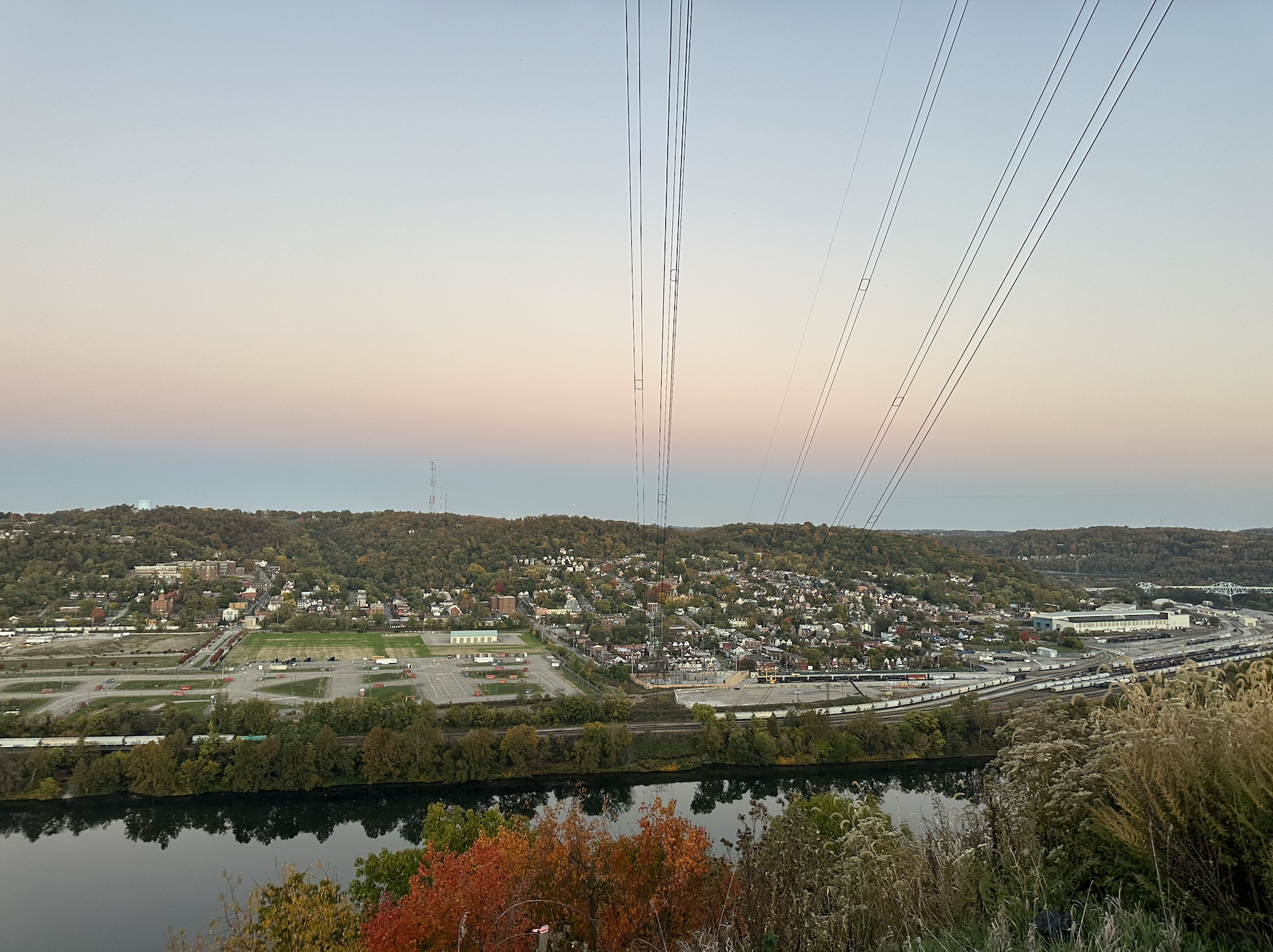
Zoning Updates: What’s happening in Hazelwood?
A Win for Ohio: Legislation Fights Back Against SLAPP Suits
Ohio has recently passed legislation that will protect activists against SLAPP suits - so what are these suits and why is this legislation so important?
SLAPP stands for Strategic Lawsuits Against Public Participation. These are lawsuits aimed at silencing criticism and draining the resources of those who speak up against certain organizations.
Tips for Navigating an Election Year as a 501(c)(3) Nonprofit
Environmental Justice Advisory Boards - A Scorecard for States
An Environmental Justice Advisory Board (EJAB) is a group that advises government agencies on issues related to environmental justice, ensuring that policies and actions address the needs and concerns of marginalized communities disproportionately affected by environmental harms. These boards play a crucial role in promoting fair treatment and meaningful involvement of all people, regardless of race or income, in environmental decision-making processes.
The Last Line of Environmental Defense...You
Due to the COVID-19 pandemic, the Environmental Protection Agency (EPA) has announced that it would be suspending all enforcement of environmental protections. The full announcement can be read here.
Filing a Right to Know Request
If you are experiencing some environmental harm and you want to get to the bottom of it then you might want to start by filing a Right to Know (RTK) request with the proper local, state, or federal agency. Right to Know requests provide individuals with an opportunity to obtain any “open records,” as defined by each states laws. Depending on the state, the laws that guide your right to know information may be called “Freedom of Information Act”, “Open Records Laws”, or “Right to Know Laws”. For further reading on these laws check out the links for our services areas of Ohio and Pennsylvania.
How to Start a Community Garden: Converting a Vacant Lot
It’s mid-winter, the perfect time to start planning a community garden and have it ready for the thaw. Community gardens are a great way to turn previously unused land into a vibrant community space that promotes health and education for members of all ages! All throughout the Appalachian basin communities are finding creative ways to reuse land as shared gardens.