



Estate Planning is for Everyone

Estate Planning is for Everyone

There is a pervasive myth in America that individualized estate planning is only available to the very wealthy. For some, the message has even been that these services are only appropriate for the rich. Still others may know that individual planning is available, but believe that they and their loved-ones cannot benefit. They believe that because they do not have sufficient assets, nothing can be done.

Webinar: Legal Tools for Building the Sharing Economy

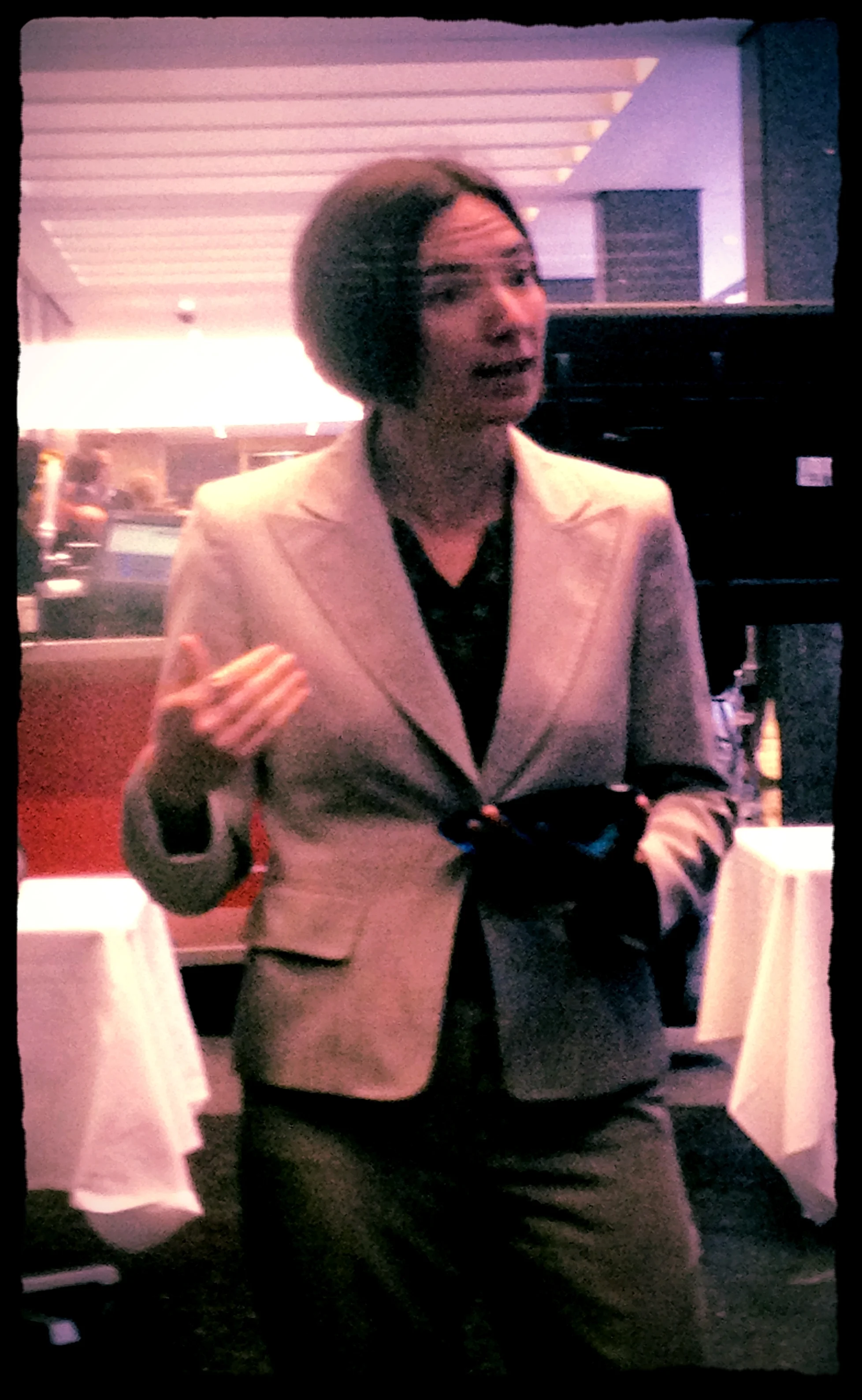
This presentation, recorded as part of Fair Shake’s 2015 Community Fair, provides an introduction to my practice as a sharing economy lawyer. The sharing economy is a general trend towards sustainable economic and community development in a way that facilitates community ownership, localized production, cooperation, small-scale enterprise, and the regeneration of economic and natural abundance.

What It Means To Work at the Intersection of Reproductive and Environmental Justice

Looking at environmental concerns through a reproductive justice lens (and looking at reproductive concerns through an environmental justice lens) can help attorneys articulate needs that might otherwise go unaddressed and unnoticed in conversations about legal concerns and potentially available remedies. Recent statements from the International Federation of Gynecology and Obstetrics on environmental justice, concerns surrounding the spread of Zika virus, and the impact of black lung on Appalachian families all demonstrate the unique way our environment impacts our reproductive health and the impact that has on our ability to plan and provide for our families.  These scenarios demonstrate the way an individual’s ability to exercise their reproductive rights and gain access to reproductive healthcare can contribute to how successfully that individual navigates the environmental concerns they may be facing.  They also demonstrates the way economic and social factors impact an individual’s exposure to harm and access to justice.  

A fellow attorney once told me that what I am saying boils down to “nothing happens in a vacuum.”  However, I think working at the intersection of environmental and reproductive justice means much more than that.  As an attorney committed to serving modest-means clients and an attorney committed to addressing the environmental legal concerns of women and families in particular, using these lenses to tackle a legal problem brings unique counseling and fact-gathering skills and provides an opportunity for novel approaches to legal action.

Landowners: Can I use renewable energy and maintain Clean and Green status?

Landowners: Can I use renewable energy and maintain Clean and Green status?

To counter the market forces favoring development, the Pennsylvania Farmland and Forest Land Assessment Act, often referred to as “Clean and Green” or Act 319, provides preferential tax assessments for qualifying farmland and forestland. The question is: Can a landowner maintain Clean and Green status while also implementing a renewable energy project on the property? 

GASP v. Shenango: Setting Precedent on What Is Jurisdictional in Citizen Suits

GASP v. Shenango: Setting Precedent on What Is Jurisdictional in Citizen Suits

I have to stretch my memory to recall a time when I have heard the word “jurisdiction” used outside of the realm of legal beagles. The best I can do is to think of various times when a police or fire vehicle appears in a completely different city or town than the one displayed on the side of the vehicle. When that happens, we’ll often say: “I wonder what she’s doing outside of her jurisdiction?” As a general matter, most people seem to understand, then, that jurisdiction refers to the area where that governmental actor has power to do something.

Time to Test Your Water? Lead in Ohio’s Drinking Water, and Monitoring Requirements Under the Lead and Copper Rule

Over the weekend, the American Red Cross and other volunteers distributed water to the residents of Sebring, Ohio following concerns about elevated lead levels in the Sebring Public Water System.  In response to the concern, Sebring’s schools cancelled classes on Friday and held a lead screening clinic for children under 6 and pregnant and breastfeeding women on Sunday.  Pregnant and breastfeeding women, infants, and children receiving water from the Sebring Public Water system remain advised to use bottled water for cooking, drinking, and formula preparation, and the Mahoning County Emergency Management Agency continues to distribute water through the Sebring Community Center.

The Business of Social Enterprise: Intro to B Corporations

More than ever, for-profit businesses today are striving to highlight their ethical sourcing, environmental consciousness, and positive influence on society. For consumers, the question of whether they are supporting a true social enterprise or being misled by savvy marketing is sometimes difficult to answer. But, it is a question that businesses can take steps to address upfront. One way businesses do this is through Benefit Corporation designation. For clarity, there are two different types of B Corp designation. The first is a third party certification, similar to Fair Trade. The second is a state-created business entity that requires meeting environmental and social standards not required of a typical corporation. Both types of Benefit Corporation are explored further below.

Lead and Lead Laws in Ohio: A Brief Survey of Responsibilities

Lately we have heard a great deal about the lead poisoning of children in Flint, Michigan, which may have some wondering about lead in their own communities.  According to Ohio’s Department of Health, lead poisoning is the greatest environmental threat to children in Ohio, and in the past 15 years 40,000 children have suffered lead poisoning in Cuyahoga County alone.

The Call for Change is an Opportunity to Grow for Ohio’s Agricultural Sector

In 2015, the toxic cyanobacterial algal bloom in Lake Erie was the worst in recorded history. You may not be aware of this, simply because the situation received much less press than in previous years, such as 2014 when enormous clouds of microscopic bacteria clogged Toledo’s public water treatment system. A lot has been done in recent years in Canada and the United States, as well as here in Ohio, to strengthen the laws and regulations designed to protect surface water, in an effort to slow the contributions of chemicals that feed these algal blooms. It is too early to say whether these efforts have succeeded; due to the pollution storage capacity in the lake, it will take years to understand how much effect these efforts have had.

Financial Resources for Renewable Energy Projects in Pennsylvania

Whether you are considering installing solar panels on your residential home, a wind turbine at your commercial manufacturing facility, or a biodigester on your farm, one of the biggest hurdles is often developing a plan for financing your renewable energy project. An attorney, accountant, or specialized consultant can help you develop this plan. To jump-start planning, this post outlines three major financial resources available for renewable energy projects in Pennsylvania, including: tax incentives, loan programs, and grant programs.