


Navigating electoral advocacy as a 501(c)(3) is not always easy but we have some great tips for those that are interested.
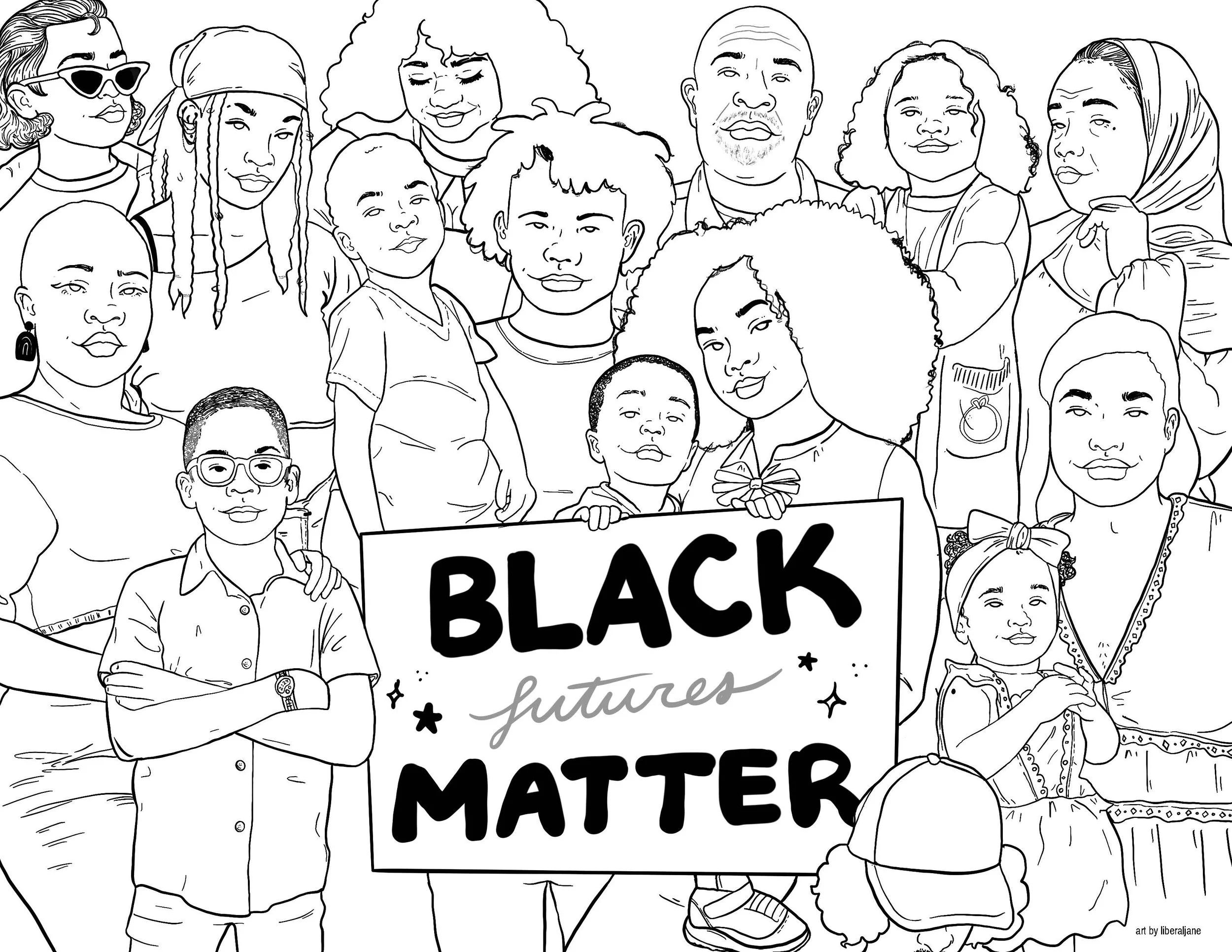
Environmental justice exists because Black communities have always organized for clean air, safe water, healthy homes, and dignity. From fighting toxic dumping to defending land, housing, and public health, Black environmentalists have shaped the movement—often without recognition. We must thank Black leaders for addressing the interconnection between civil rights, labor safety, housing, and environmental health—their advocacy continues to shape how environmental law understands equity, participation, and accountability today.
Check out this blog for some fun resources, including a zine to print and share with your community!
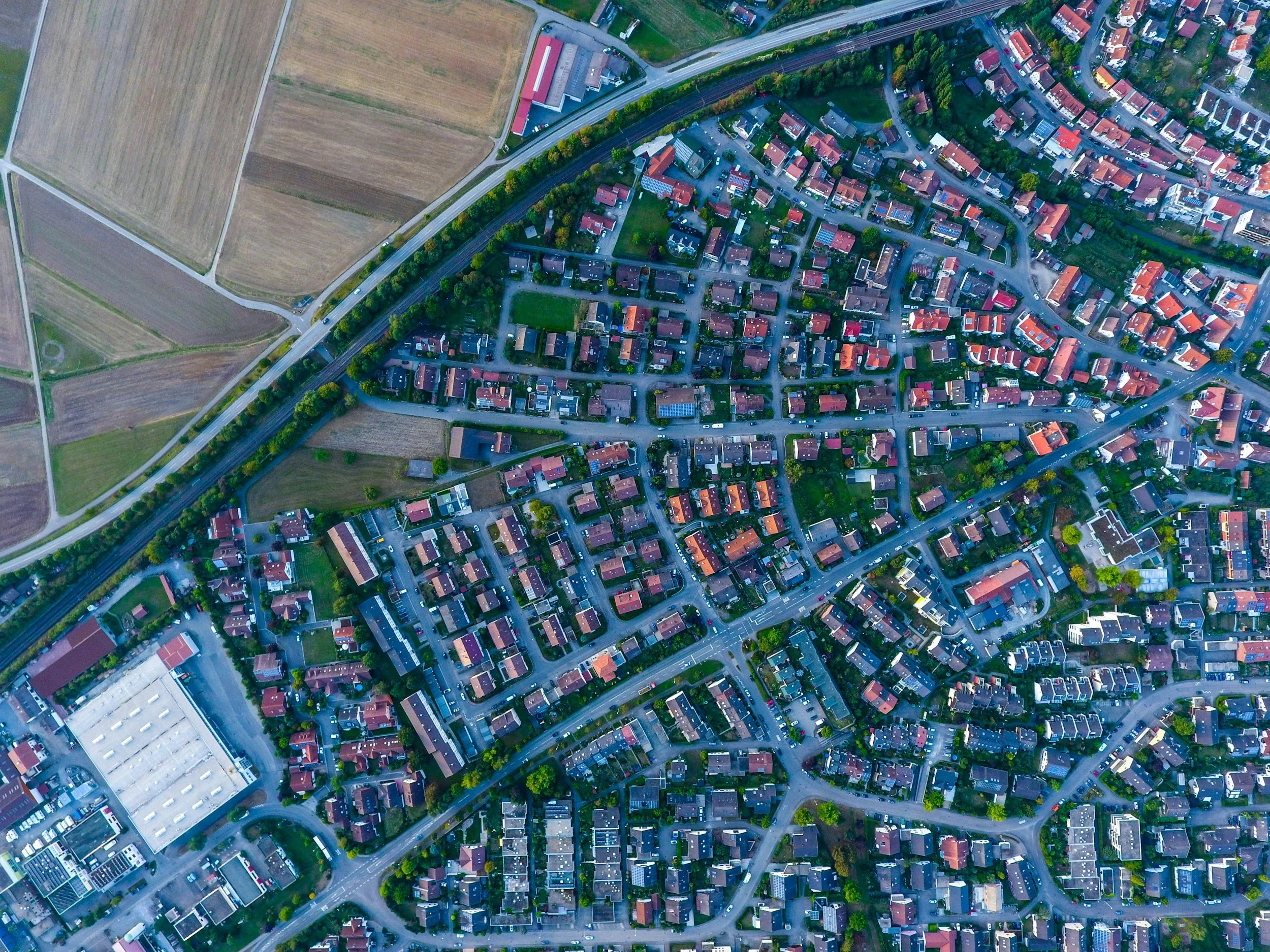
Residents throughout Pennsylvania, Ohio, and West Virginia, are raising the alarm as new data centers, warehouses, and industrial facilities move in rapidly leading to public concerns surrounding noise, water, and power-usage. How is this happening so fast? Too often, municipalities approve these developments through quiet but completely legal rezoning processes. Many communities are left wondering: Can zoning rules really be changed that easily? Why don't we know about it? How can we get involved before final decisions are made? How does this work, and is there anything I can do about it?
Here's how the zoning process works, how municipalities change their zoning maps and codes, what the legal requirements are, and how you can better advocate to protect your community from these unwanted changes.
In H.B. 96, the Ohio General Assembly snuck anti-environment provisions into the bill at the last minute that removed important protections for Ohioans who want to file complaints against polluters while also invalidating community air monitoring data. These statutory changes have no relationship to Ohio’s budget and thus violate the Ohio Constitution’s requirement that all legislation include only one subject.
Have you ever gone for a walk outside, heard the birds, and felt it clear your mind? Even lift your mood? There's a reason why people say they need to "get outside" – our surroundings have a profound impact on the way we think, feel, and cope with our situations. But what is the effect when those surroundings are polluted, neglected, or even unsafe? Our environment impacts more than just our physical health; it has a substantial impact on our mental health too.
How Can We Help You?
As environmental justice and law nonprofit, we are excited to support systems-change that strengthen environmental justice outcomes. This can include:
Building Connections
Legal “Translation” + Bridging Information
Researching, Strategizing, and Educating about Legal and Policy Levers
Drafting Generalized Legal and Policy Templates
Engaging Community and Amplifying Issues
We can provide any of this support to nonprofits, coalitions, residents, and municipalities at no-cost. Please reach out today and let’s get to work.
An Environmental Justice Advisory Board (EJAB) is a group that advises government agencies on issues related to environmental justice, ensuring that policies and actions address the needs and concerns of marginalized communities disproportionately affected by environmental harms. These boards play a crucial role in promoting fair treatment and meaningful involvement of all people, regardless of race or income, in environmental decision-making processes.
Much has happened in the East Palestine community in the past year and a half since the Norfolk Southern train derailment – lawsuits have been filed, government investigations were carried out, and laws were proposed in response. Many nonprofit organizations, including Fair Shake, have worked to help the community deal with the accident and the collective response.
We hope everyone found a meaningful way to celebrate Earth Day, whether by planting trees, participating in a community actions, or simply spending time appreciating the beauty of nature. Our team marked the occasion by planting pollinator gardens, launching a little seed library in their neighborhood, and talking to their children about power and decision-making in our local governance.
Get to know a little bit about our team below & let's continue to prioritize environmental stewardship every day, ensuring a healthier planet for future generations.
Fair Shake Environmental Legal Services would like to highlight these twenty-four champions of the environment in honor of Women’s History Month 2024. The Climate Crisis is not gender neutral—uplifting the voices of women and non-binary environmentalists is crucial to building sustainable environmental justice and conservation efforts. We want to take the time to celebrate the contributions of these amazing advocates and the inspiration they continue to provide us with to live in harmony with our planet and fiercely protect the places where we live, work, and play.
For over a century, our governments failed to regulate lead as it entered almost every facet of our consumer market and infrastructure. Despite long-standing knowledge of the risk of lead poisoning, lead was used for its versatility and low-cost. New studies estimate that at least half of the United States population was exposed to adverse lead levels during early childhood. While statutes and regulations have been put in place to prevent the continued use of lead in infrastructure and some products, few hold anyone responsible for affirmatively removing lead hazards.
Fair Shake Environmental Legal Services would like to highlight these twenty-four champions of the environment in honor of Black History Month 2024. As an organization dedicated to uplifting the voices of underserved communities, Fair Shake celebrates their contributions to the fight for environmental justice and conservation. Whether new to the fight for our environment like youth animal rights activist Genesis Butler or a cornerstone of the movement for decades like Dr. Robert Bullard, these advocates inspire us to live in harmony with our planet and to fiercely protect the places where we live, work, and play.
While noise pollution poses a substantial threat to human health and the environment, the Environmental Protection Agency (EPA) charged with regulating it has been largely inactive under its Congressional authority to do so within the Noise Control Act of 1972 (NCA). Under the NCA, the EPA is given the authority to identify and regulate products that are “major sources” of noise. The NCA also leaves the primary responsibility of noise control to state and local governments, while recognizing that federal action is needed for major noise sources in commerce.