the river
legal + technical levers - resources and tools
Legal and technical levers you can pull on to move your vision into action. Click on the River points below to find resources to help you navigate your situation.
Upriver Resources - You have time to make your vision come to action and want to make big, long-term impact.
Midriver Resources - You’ve heard rumors about something in your town or know of a proposed new development.
Downriver Resources - You are in crisis or harm has already been done.
Click here for the "Choose Your Own Adventure" River Website!
What are your strengths?
-
You build and nurture strong relationships, and build bonds between others.
You may... be adaptable, believe things happen for a reason, believe in and love to help others, can feel the emotions of others, always helping others to find agreement, include others and make them feel welcomed, see each person’s uniqueness, see the glass as ‘half full’, have a few really close friends.
-
You take charge, speak up, and make sure others are heard.
You may... speak up, take charge, be able to explain things and use your words well, be competitive, strive for excellence, believe in yourself, like to be appreciated and stand out from others, love meeting new people and getting them to like you.
-
You see and stretch thinking for the future.
You may... ask lots of questions, like having ‘hard data’, learn from what’s happened in the past, dream about the future, get excited about new ideas, love to learn new things, love to think things through, find the best way forward even when things are confusing.
-
You make things turn into reality.
You may... love to get things done, keep track of lots of moving pieces, have strong core values that give you direction, expect rules to be applied to everyone, plan ahead, love routines, set goals for yourself, feel responsible to follow-through, love to solve problems.
We all have our unique strengths. These are the activities that come naturally and that make us feel happy when we do them. Knowing your strengths can help you focus your organizing work on what you do best, and make sure you bring other people with you who can fill in your gaps.
The goal = have a full team that has all four strengths.
upriver
You have time to make your vision come to action and want to make big, long-term impact.
create or update comprehensive plan
A comprehensive plan is an official roadmap made by your county or municipality. The plan tells where the municipality wants to go in the next 5-10 years.
Usually - but not always - both counties & local municipalities have comprehensive plans.
Decision-Making Power = Municipal governing body and/or County governing body
-
Pushing for a new comprehensive plan and zoning map can set a community up for success in the future. A plan can drive ideas about “housing, economic development, public services, environmental protection, and natural and manmade hazards and how they relate to each other. ” For a plan update to happen, there needs to be the political will to make change.
-
Look at the existing comprehensive plan (if one exists). You can usually find it on your town’s or county’s website.
Attend your planning or zoning board. (Or, if there isn't an active planning board, advocate to create one - check out the model ordinance for language you can bring to your decision-makers.)
Join your local planning commission or zoning hearing board.
Find funding and outside support to help pay for a comprehensive plan.
Learn from great examples in other communities.
Advocate that a lot of public participation is required in the creation of the new plan.
Make sure that the community’s full range of diversity is represented in the planning process.
-
This activity may be easier for someone or a team who has these strengths:
Relationship Building + Feeling
Influencing + Motivating
Strategy + Thinking
Executing + Doing
-
Pennsylvania: How does Municipal Planning Work? https://www.wesa.fm/politics-government/2023-07-23/municipal-planning-pennsylvania-community?fbclid=IwAR2o2LdUxU7_Zc6MgUZHHBx2QJCV9sbdFXbU6_rSOsmHcHQghewgqMTMdU0
Equity Goals & Recommendations for Comprehensive Plans: https://www.planningmi.org/assets/docs/Are%20We%20Planning%20for%20Equity%20Carolyn%20Loh%20JAPA%20Article.pdf
Green Zones: https://sustainablecitycode.org/brief/creating-green-zones/
Examples of Municipal Actions of Advance Environmental Justice: https://dep.nj.gov/wp-content/uploads/municipal-ej-guidance/example-municipal-actions-to-advance-environmental-justice.pdf
Example Comprehensive Plan Policies to Support Physically Active Communities: https://www.ca-ilg.org/sites/main/files/file-attachments/gms-transp-example-comp-plan-active-communities.pdf
Participation Tools for Better Community Planning: https://civicwell.org/wp-content/uploads/2022/01/Participation_Tools_for_Better_Community_Planning.pdf
The Planner’s Playbook: A Community-Centered Approach to Improving Health and Equity: https://www.changelabsolutions.org/sites/default/files/2020-12/ThePlannersPlaybook_FINAL_20201207.pdf
update zoning or land use laws
...to change the rules for different types of land use.
Zoning laws are the rules about how land in your community can be used. Zoning shapes our communities by informing where housing, industries, school, and parks are located, who can access them, and how they are built.
Zoning laws usually follow the roadmap the comprehensive plan has laid out.
Updating zoning laws can play a BIG role in the future of your community because it can create the conditions that could set your vision up for success.
Sometimes both counties & local municipalities can have zoning plans. The county’s zoning plan dictates how municipalities can organize their land.
Decision-Making Power = Municipal governing body and/or County governing body
-
Zoning has been used to create segregation and unequal access to opportunities, and higher exposure to environmental hazards for households with low-income and households of color. Here are some zoning strategies that can help Environmental Justice:
Public Participation: Meaningfully bring diverse groups of neighbors to be part of the process to create or update a comprehensive plan and zoning laws. This makes sure that zoning is developed to reflect the needs of the community. Zoning laws can also strive to be more proactive and inclusive of public input during decision-making of future developments by requiring more notification; additional or different structure for public meetings; and transparent and accessible assessments and reports by potential developers.
Citizen Involvement: Local boards (zoning hearing board, for example) make a lot of decisions that impact environmental justice, but often those who are part of these boards may not represent the full community. Appoint board members who represent the diversity of the community as a whole - including race, gender, income, homeownership, renters, and age.
Environmental Impact Reviews and Analysis: Require that developers address demographics and Environmental Justice matters in Environmental Impact Assessments (including: traffic studies, acoustic studies, air quality studies, hydrological studies, geological studies, pre-development and post-development testing). This can give municipalities ability to review and seek to ensure that cities have the power to reject these applications or require changes that mitigate their impacts. It also increases accountability and transparency.
Community Impact Statements: Mandate a process where members of the impacted community make a statement about what they believe the positive or negative impacts will be if a particular use is approved or allowed to expand. Local officials could be required to take the results of the community group's CIS into consideration.
Eliminating Non-Conforming Uses: Usually, developments that have been in the community already are 'grandfathered' in, which means they do can continue functioning even if they do not meet a town's new zoning laws. You could:
In some states, you can adopt a local amortization law to eliminate the use. Amortization laws give developments that do not follow new zoning laws a certain amount of time, or a change in owners, to either comply with new zoning laws or stop functioning. Unfortunately, this is not legal in PA, and may not be legal in West Virginia and Ohio.
Pass new zoning laws. If you change the underlying zoning rules and the existing development tries to change into a different type of development in the future, they will need to re-apply for a non-conditional use approval. For example: imagine a new zoning rule creates a residential neighborhood, and a restaurant has been in that neighborhood for years. The restaurant can continue to exist in that residential neighborhood because it’s already there. If the restaurant gets popular and wants to expand, it can build a patio without any problem because it’s still the same business – serving food. But now let’s imagine the restaurant wants to change to be a bar. This may not be allowed under the new zoning rules because it is now trying to operate as something different – it would need to try and apply to be a non-conforming use. This gives the municipality a chance to say ‘no, you can’t – this doesn’t align with our new zoning rules.’
Pass and enforce public nuisance ordinances to meet the updated plan and zoning codes and create accountability for industries to follow updated laws.
Ohio law allows zoning regulations to eliminate non-conforming uses if the use has been voluntarily discontinued for at least six months.
Conditional or Special Use: Ensure new developments that may harm health or wellbeing comply with additional requirements before they are approved.
Overlay Zones: Create additional requirements over an existing zoning district to ensure additional protections. Overlay zones designate specific areas within the community that require higher protections. For example, environmental, public health, or historic zones.
Industrial Siting + Buffer zones: create districts that serve as a transition between two or more uses that may not be good next to each other.
Watch Out! If your goal is to have a new zoning map to keep all industry together in a specific industrial zone, make sure to also think about how it could still lead to inequities. Why? Historically and today, policies and funding have meant that low-income neighbors and communities of color are more likely to live near industrial zones. Updating zoning to mandate that industry can only be in this part of a neighborhood could make it worse by inviting more or higher polluting industries located near low income or households of color. To decrease that, think about buffer zones to include physical screening, landscaping, significant setbacks, open spaces, affordable housing programs, and even other lower-intensity commercial uses.
Exactions and mitigation fees: fees that municipalities can assess developers to reimburse the costs associated with their new development that can be spent on Environmental Justice issues.
Banning - ban specific land use or industries that harm health and/or environment. This is the most direct way to impact change but can be challenged in court and may have significant industry push-back.
Watch Out! Exclusionary zoning says you cannot create any zoning ordinance that prohibits an economically viable use everywhere in a municipality. The question to ask is: when a zoning ordinance is created, at that time, does it prevent some particular business from operating anywhere in the municipality? It often arises when municipalities try to exclude something with extreme setbacks. For example, an ordinance that says that methadone clinics or fracking wells cannot be placed anywhere within 3,000 feet of a school, church, playground, or nursing home. While that ordinance is not outright saying it’s not allowed, it's also limited it so strictly that there wouldn’t be a place in the whole municipality that fits the description, which means it has, effectively, prohibited this across the whole municipality which is not allowed.
-
This activity may be easier for someone or a team who has these strengths:
Relationship Building + Feeling
Influencing + Motivating
Strategy + Thinking
Executing + Doing
-
What Is Zoning Video: https://www.youtube.com/watch?v=1fbfikDbRtU
Exclusionary Zoning and It's Effect of Racial Discrimination: https://www.whitehouse.gov/cea/written-materials/2021/06/17/exclusionary-zoning-its-effect-on-racial-discrimination-in-the-housing-market/
Understanding Exclusionary Zoning and It's Impact on Concentrated Poverty: https://tcf.org/content/facts/understanding-exclusionary-zoning-impact-concentrated-poverty/?agreed=1
How Zoning Can Reduce Pollution: https://millmanland.com/industry-news/how-zoning-laws-can-reduce-pollution/?fbclid=IwAR3i4Wg8ulYKmGerTDUQyAL0px7-lqycxgV6O25V30h3Nu5amlMyz2raOcU#:~:text=Prohibiting%20Specific%20Land%20Uses,the%20environment%20and%20public%20health
Local Policies for Environmental Justice, A National Scan: https://www.nrdc.org/sites/default/files/local-policies-environmental-justice-national-scan-tishman-201902.pdf
Chicago Looks to Overhaul Its Zoning and Land Use Policies to Address Environmental Discrimination: https://insideclimatenews.org/news/15082023/chicago-environmental-justice-zoning-policies-pollution-cumulative-impact/
create or update local laws (ordinances)

Ordinances are local laws that are made by the municipality. Ordinances can proactively create a new future, or be in response to a complaint, concern, or need.
Your municipality may already have a law about the issue you care about, but maybe it can be updated to meet the full vision.
Decision-Making Power = Municipal governing body

Transparency + Public Participation:
River Access:
Nuisances (dust, soot, smells, debris, sounds):
Green Spaces + Beautification:
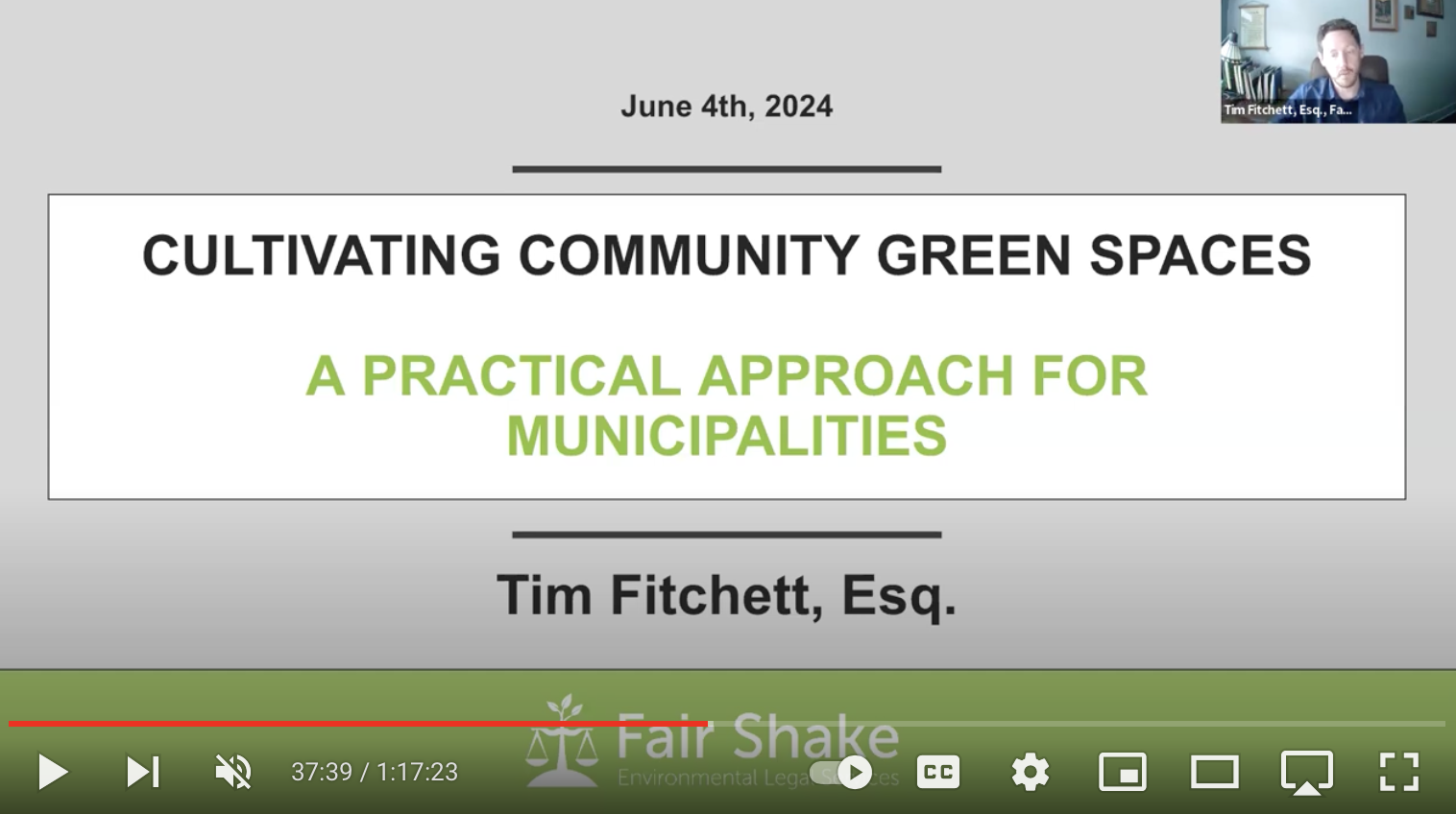
Sustainable Pittsburgh's "Cultivating Community Green Spaces: A Practical Approach for Municipalities" - Check out 36:00-55:00 for Fair Shake's legal and policy options.
Health, Housing + Safety
Solar + Wind Energy
-
Learn what the ordinances already on the books say about the issue you care about.
Advocate for a new or updated ordinance as a community.
Advocate that a lot of public participation is required in the creation of new ordinances.
Be part of your local committees or boards who recommend ordinances to city council.
Be part of your city or county governing body that approves ordinances.
-
This activity may be easier for someone or a team who has these strengths:
Relationship Building + Feeling
Influencing + Motivating
Strategy + Thinking
Executing + Doing
-
Local Policies for Environmental Justice: A National Scan: https://www.nrdc.org/sites/default/files/local-policies-environmental-justice-national-scan-tishman-201902.pdf
Chicago Environmental Justice Plan (Draft): https://www.chicago.gov/content/dam/city/depts/cdph/environment/CumulativeImpact/EJ-Action-Plan-Strategies-Summary_v2_072423.pdf
Collaborative Policy Development: A Roadmap: https://www.changelabsolutions.org/product/developing-equitable-enforcement-provisions?utm_source=ChangeLab+Solutions+Active&utm_campaign=fbaaa3254a-EMAIL_CAMPAIGN_2023_02_07_04_03&utm_medium=email&utm_term=0_-fbaaa3254a-%5BLIST_EMAIL_ID%5D
create resolution(S)
A resolution is a formal expression of opinion or intent by a municipal body.
Resolutions can be a statement of values, which can help when future decisions are made.
Resolutions can be a nudge toward accountability for community members (here is what you said would happen about x, y, and z), and planning tool for decision-makers (here is where we want to go and what we support, now let’s make decisions that match this resolution.”)
Resolutions generally are about a topic that is special or temporary.
Decision-Making Power: Municipal governing body
-
This activity may be easier for someone or a team who has these strengths:
Relationship Building + Feeling
Influencing + Motivating
Strategy + Thinking
Executing + Doing
-
Example Environmental Resolutions: https://www.americanbar.org/groups/environment_energy_resources/resources/section_sponsored_resolutions/
create or connect with your local land bank
A land bank is a community-owned organization that takes care of and finds new uses for empty, abandoned, deteriorated, and foreclosed properties.
Decision-Making Power: Municipal Governing Body + Community
-
Research if there is a local or county land bank in your area already.
If there is a land bank, you can:
Attend meetings;
Comment at meetings with your thoughts and ideas;
Look for a chance to join their Board.
If there isn’t a land bank, you can:
Build relationships with your local leaders to provide some education to them about land bonks.
Share funding and resources that support land banks.
Talk with housing nonprofits or community development agencies to see what interest they have in developing a land bank.
Be part of your local committees or boards who work on housing and land issues.
Be part of your city or county governing body that can pass an ordinance about land banks.
-
This activity may be easier for someone or a team who has these strengths:
Relationship Building + Feeling
Influencing + Motivating
Strategy + Thinking
Executing + Doing
-
Encourage equitable and sustainable economic development
Leading your community’s economy from one that is reliant on only a few industries; may cause harm or not be a good neighbor; or may be unequal in how it benefits the community is long-term work. But, encouraging a just transition can be a vision-led, community-driven approach that:
In this short video, Canary Media and The Solutions Project unpack what a just energy transition is and how it can benefit everyone.
Addresses past harms;
Creates new relationships;
Builds new power;
Dismantles barriers and expands opportunities for communities of color, low-income communities, LGBTQ+ communities, and other marginalized groups;
Grows quality jobs, entrepreneurship, ownership; and
Moves from an extractive economy to a regenerative economy.
Decision-Making Power: Community; Local Organizations + Nonprofits; Education; Municipal Governing Body; Local or County Economic or Community Development Corporation.
-
An economic or community developer is responsible for:
Planning, designing, and implementing economic development strategies
Acting as a key liaison between public and private sectors and the community
Helping local businesses and the government to find funding from government and private funding.
They oversee what businesses come into a town, where that money is invested, and who benefits from them.
There are also often Corporations or Organization who plays this role for the municipality or the county (sometimes called a Community or County Economic Development Corporation).
-
The International Economic Development Council shares four prisms to help foster equitable economic development:
Acknowledge the history, discrimination, and systems that have kept people of color from creating, building, and retaining wealth.
Programs and initiatives must explicitly target affected and vulnerable communities, particularly those with high population(s) of color.
Equity cannot be produced from a singular source - diverse collaborations are needed.
Incorporate equity and inclusion into performance metrics.
-
Learn what the ordinances and incentives already on the books say about the issue you care about.
Build relationships with your local economic developers to learn what they are doing.
Share funding and resources that support economic development.
Be part of your local committees or boards who recommend and work to bring new jobs to your community.
Be part of your city or county governing body that incentivizes how new jobs come to your community.
-
This activity may be easier for someone or a team who has these strengths:
Relationship Building + Feeling
Influencing + Motivating
Strategy + Thinking
Executing + Doing
-
Just Transition - A Framework for Change: https://climatejusticealliance.org/just-transition/
A Playbook for Equitable Economic Development: Guidance on identifying structural racism and implementing equitable practices: https://www.rockefellerfoundation.org/wp-content/uploads/2022/03/A-Playbook-for-Equitable-Economic-Development.pdf
Thrive Rural Framework to build rural property: https://www.aspeninstitute.org/programs/community-strategies-group/thrive-rural/
Just Transition Fund: https://justtransitionfund.org
FEDERAL ENERGY FUNDING FOR RURAL AND REMOTE AREAS: A Guide for Communities: https://www.energy.gov/sites/default/files/2023-10/OCED_Rural-Remote%20Fed%20Overview.pdf
WV Hub: https://wvhub.org
Coalfield Development: https://coalfield-development.org
Blue Green Alliance: https://www.bluegreenalliance.org
ReImagine Jobs: https://reimaginejobs.org
ReImagine Beaver County: https://www.facebook.com/reimaginebeavercounty/
ReImagine Appalachia: https://reimagineappalachia.org
midriver
You’ve heard rumors about something in your town or know of a proposed new development.
file right to know requests
The public has a right to access, read, and review all government records, with a few exceptions. This includes documents, papers, letters, maps, books, tapes, photos, sound recordings, email, and other information stored by a local, county, state, and federal agency.
Filing a Right to Know Request allows you to see those communications to understand what is being discussed and debated and who is involved.
Decision-Making Power: Community
-
It’s important to do these with some frequency (example: quarterly, every 6 months). This will allow you to stay up-to-date and catch new decisions coming down the pipeline, and ideally catch them early enough to impact.
The earlier you find out about a new development that doesn’t align with your vision, the more time and options you have to drive your vision.
-
Make specific asks with specific timeframes.
Avoid broadness or fishing for information – this just delays the process.
Do not use the Right To Know to ask questions.
Make sure to add the full company name (ex: Company, LLC or Company Inc.]
Make sure to include email if you want all communications (some administrators don’t think that email is included in communications so will only send back letters.)
Example: “All communications, including applications, reports, emails, or other submissions, between [Company Name] and [the Dept, etc.] regarding [Address of Company], since May 16, 2023..
-
This activity may be easier for someone or a team who has these strengths:
Executing + Doing
-
Tips:
Some agencies have their own Right to Know Request Forms. When possible, use the agency’s specific form. If there isn’t a form, you can find great examples and tips here:
PA: https://www.openrecords.pa.gov/RTKL/HowToFile.cfm
Ohio: https://www.acluohio.org/en/news/so-you-want-submit-public-records-request
West Virginia: https://www.nfoic.org/west-virginia-foia-laws/
Example Right to Knows and More Tips: https://www.nfoic.org/state-sample-foia-request-letters/
learn the approval process for the rumored facility

Layers of Decision-Making: Each ‘layer’ has to follow the laws and rules created by the layers out the outside of it. For example: county needs to follow rules of state and federal. Municipalities need to follow the rules of county, state, and federal.
All small and large industrial facilities need to get a number of different stamps of approval before they can move forward.
Knowing the approval process can help communities know what to pay attention to and where to look to be ready for public commenting.
Decision-Making Power: Community
-
Here are some of the approvals needed for many industrial facilities. The specific workings of the facility and the rules of the local municipality and the state dictate the specific stamps of approval needed.
Local municipality:
Decides how land can be used and where different kinds of development can be located.
Decision-Makers: Design Review Committee; Board of Zoning Appeals & Planning Commission, City Council
County:
Creates county plan; sometimes approve some stream crossing, roads, and waste.
Decision-Makers: Board of County Commissioners (if there is zoning) & Development Districts
State
Implements federal expectations for the issue and oversees day-to-day monitoring.
Power over many environmental permits.
Decision-Makers: State Department of Environmental Protection, Department of Natural Resources, Public Utilities Commission, State Economic Development Department, or State Department of Health
Federal
Creates the big-picture vision for the issue.
Creates the expectation for different issues.
Give $ to states to implement the vision.
Permitting over cross-state impacts or especially big environmental emissions.
Decision-Makers: US Environmental Protection Agency, US Dept. of Transportation, US Dept. of Energy
-
This activity may be easier for someone or a team who has these strengths:
Strategy + Thinking
Executing + Doing
-
Citizen's Guide to the Permitting and Approval Process for Land Development in Pennsylvania: https://www.delcocd.org/DevGuide.pdf
A Citizen’s Guide to Fracking Permits in West Virginia: https://wvrivers.org/wp-content/uploads/2017/03/WV-Rivers-Citizens-Guide-to-Fracking.pdf
request and attend a public meeting or hearing
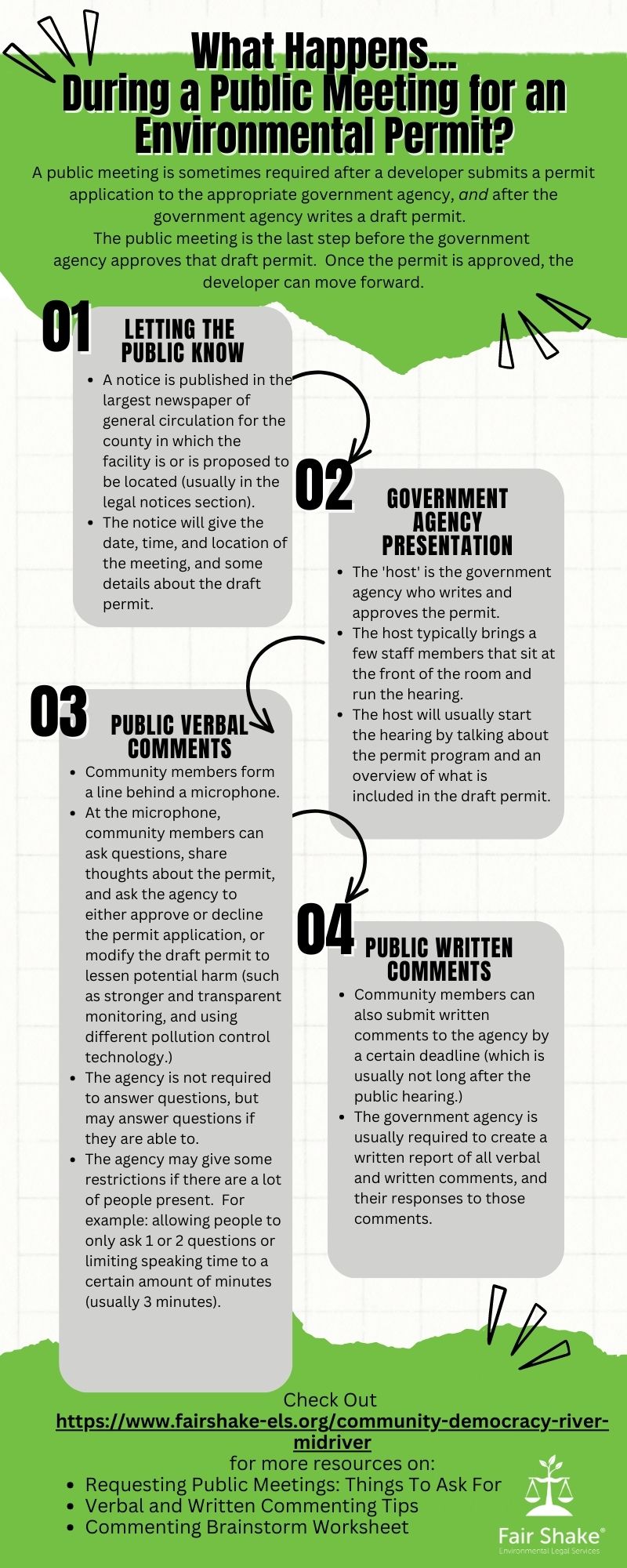
A public meeting can bring community together to express their opinions, hear a speaker or plan, learn together about a topic, or work together to develop a solution.
Sometimes public meetings are required for different approvals, but sometimes they may not be.
Requesting a meeting can make sure that everyone in community understands the project and has the chance to voice their concerns.
You can:
Request a meeting if it's not required,
Request the meeting be a different format to be a stronger meeting for community participation, and
Can attend and be part of the public meeting or hearing.
Decision-Making Power: Approval body - whoever gives final approval for the project has the power to schedule a public meeting or hearing.
-
Strength in numbers: Requests for a meeting or changes to a meeting format from many people.
Providing specific details about out how complicated the proposal is and how the community needs help understanding it.
Environmental Justice issues
-
There are no requirements about how the public meeting is conducted, and your goal can be to avoid the “dog & pony show” where developer is just trotting people out to make it look good. Some “asks” that you can make to make the meeting meaningful:
That the meeting happen weeks and even months before the vote is going to happen. Try to avoid the public meeting happening immediately before the vote is going to happen.
Public members to be allowed to ask questions and make comments.
Questions to be answered immediately, instead of “thank you, we will get back to you.”
The right people to be there. This includes people who may have the answers to questions, and those who actually make the decisions. You can ask for specific people to be there.
That all participants are allowed to make a 3-minute statement and ask questions.
That the meeting is accessible, this could mean: asking for a bigger room; write-in options before or after the meeting for those who aren’t able to join at that particular time; online participation; closed-captioning; languge translations.
-
This activity may be easier for someone or a team who has these strengths:
Relationship Building + Feeling
Influencing + Motivating
Strategy + Thinking
-
EPA Public Participation Guide: https://www.epa.gov/international-cooperation/public-participation-guide-public-meetings
make verbal or written comments
Public comments are a comment to an agency to provide feedback to a proposed rule, regulation, or permit application under consideration.
Commenting can help provide your facts and perspectives to decision-makers before they make a decision.
Commenting may stop a project or provide changes to the permit. By submitting a comment, you can:
Provide additional information;
Give the chance to make your voice heard; and
Ensure that the approving agency is aware of all pertinent concerns.
In many situations, the agency may be required to respond to all comments.
Comments are the strongest when people make strong, personal, unique, or technical comments. Form letters, postcards, and petitions do not always have the strongest impact.
Decision-Making Power: Community
-
This activity may be easier for someone or a team who has these strengths:
Influencing + Motivating
-
How to Write Successful Public Comments Webinar: https://youtu.be/dBbDAZH3OHk
Ohio Environmental Council Public Advocacy Toolkit: https://theoec.org/wp-content/uploads/2022/08/AdvocacyToolkitOnly_Updated082022.pdf
Step by Step Tips for Writing Effective Public Comments: http://eli-ocean.org/wp-content/blogs.dir/2/files/Written-Commenting.pdf
Public Written Comment Templates: https://publiccommentproject.org/comment-templates
Step-by-Step tips for Providing Effective Verbal Comments: https://www.eli.org/sites/default/files/files-pdf/Verbal-Commenting_1.pdf
A Citizen’s Guide to Fracking Permits in West Virginia: https://wvrivers.org/wp-content/uploads/2017/03/WV-Rivers-Citizens-Guide-to-Fracking.pdf
create a community benefit agreement
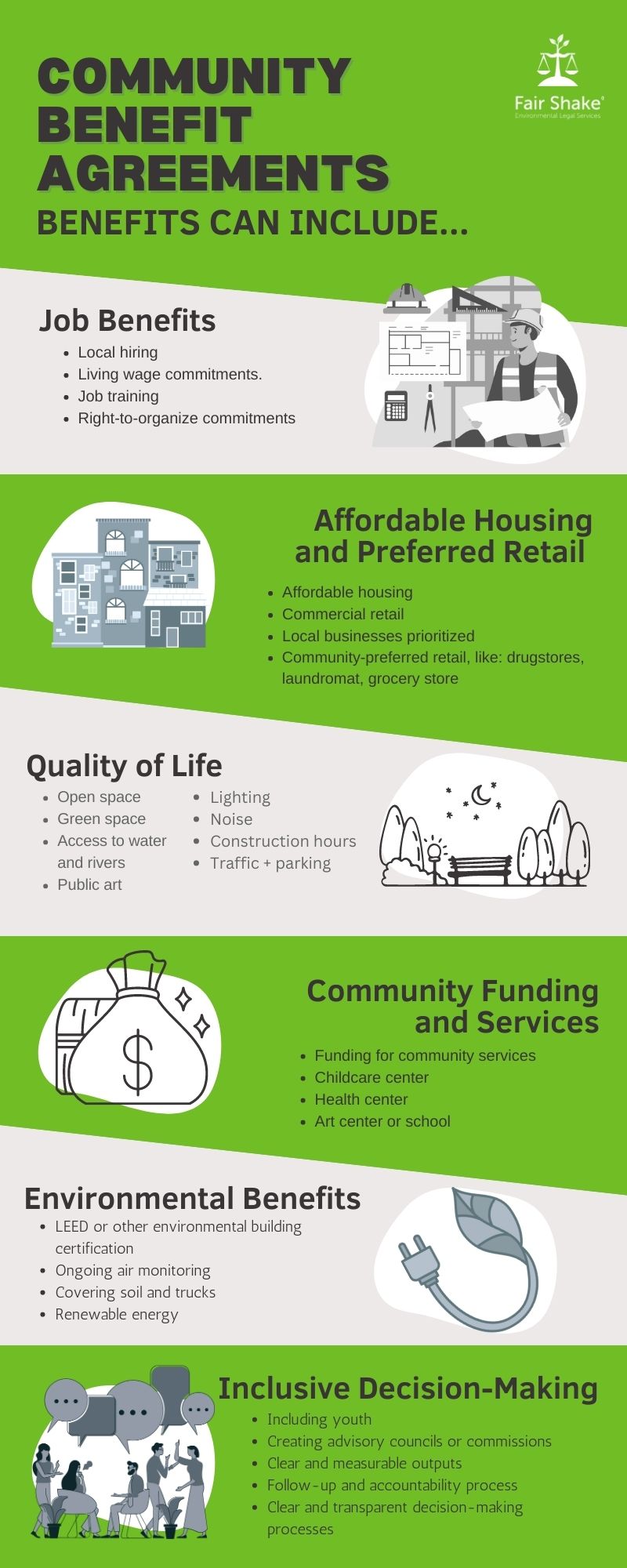
Community Benefit Agreements are legal private contracts between prospective developer and community representatives that specifies benefits that the developer will provide in exchange for the community representatives’ support on the project.
Community Benefit Agreements are good:
When coalition can support development IF certain conditions are met.
Across a range of development projects, including retail or office complexes, brownfields, sport fields, new energy developments.
Community has leverage.
Reactively (in resonse to a proposed development) and Proaictively (when community creates a vision and are alerted by leaders about potential developments in the future).
Decision-Making Power: Community and Business Developer
20 minute overview of Community Benefit Agreements
-
Community benefits can be an important lever. But, they can sometimes lack 'teeth', which makes it hard to hold someone accountable if they don't follow-through. Make sure your community benefits are a Green Flag and meet the four principles for strong benefits. (Adapted from Common Challenges in Negotiating CBAs.)
Red Flags:
No real community participation
Weak coalition
Negotiations are secret and exclusive.
Commitments are vague Common Challenges in Negotiating CBAswith no clear timeframes or measurements.
No effective formal means of accountability.
Developers persuading city leaders that they will drive away economic development.
Projects already fully designed and then community is brought in to ‘sign-off’.
Green Flags:
Community interests are well-represented.
Process is transparent, inclusive, and accessible.
Concrete, meaningful benefits deliver what the community needs.
Clearly defined enforcement mechanisms ensure accountability.
-
Community Coalition - in charge of:
Building a diverse coalition
Creating a shared vision and prioritizing goals
Representing the community’s interest
Negotiating and signing CBA
Ongoing implementation
Ongoing monitoring and enforcement
Developer - in charge of:
Negotiating and signing CBA
using CBA to get municipal approval or funding
Getting community support
Helping developer have a clarity of outcomes
Municipality - not required, but can support the process:
Providing transparency around the project
Helping to open communication between the community and developer
Encouraging and/or requiring community support for project approval
Can take some responsibility for monitoring
Can make benefits part of municipal processes through a Development Agreement or Community Benefit Agreement
-
This activity may be easier for someone or a team who has these strengths:
Relationship Building + Feeling
Influencing + Motivating
Strategy + Thinking
Executing + Doing
-
Community Benefit Resource Bank: https://reimagineappalachia.org/cba-summit/
Community Benefit Agreements and Organizing for Equitable Development Webinar: https://www.policylink.org/equity-in-action/webinars/community-benefits-agreements
Maximizing Value: Ensuring Community Benefits: https://reimagineappalachia.org/wp-content/uploads/2021/05/Community-Benefits_Whitepaper.pdf
Department of Energy Community Benefit Agreement Toolkit: https://www.energy.gov/diversity/community-benefit-agreement-cba-toolkit
The People’s Justice40+ Community Benefit Plan: Step-by-Step Guide: https://emeraldcities.org/j40playbook/
Community Benefits Agreements Offer Meaningful Opportunities to Include Voters’ Voices in Development: https://www.dataforprogress.org/blog/2022/7/5/community-benefits-agreements-offer-meaningful-opportunities-to-include-voters-voices-in-development
The role of local government in protecting workers’ rights: The role of local government in protecting workers’ rights
World Resources Institute: Through Benefits-Sharing Agreements, Clean Energy Projects Can Earn Community Trust
downriver
You are in crisis or harm has already been done.
report environmental concerns to the appropriate agency
You can make complaints and tell authorities about environmental concerns. These can include:
Air Quality/Asbestos/Odor/Open Burning
Water Quality - Lakes, Rivers, Streams/Stormwater/Sewage Odor
Open Dumping/Solid Waste/Landfill Odors
Drinking Water
Hazardous Waste/Used Oil
In some cases, somebody will come check on the concern, and in other cases it will be logged for the agency to keep an eye on.
As always, the more people making the complaint the more power it may have. Engage your relationships to make your voices louder.
Decision-Making Power: Community
-
In your complaint or alert, be as specific as you can. Include as much of the following as you can:
Observations – what you saw, felt, heard, and smelled.
What the weather was
Time of day
How people were feeling
If you have any data from monitoring or public monitoring websites
Any photos or videos
Tell them if you live in an environmental justice community and why this problem is an environmental justice issue – this may get more or quicker attention.
-
In addition to your state Department of Environmental Protection, you should also think about making complaints to:
Local or county health department
State department of health
City councilperson, mayor or other local elected officials
County commissioners or other county officials
-
This activity may be easier for someone or a team who has these strengths:
Influencing + Motivating
Strategy + Thinking
Executing + Doing
-
Ohio:
Ohio Environmental Protection Agency Complaint Form: https://epa.ohio.gov/help-center/contact-us/submit-a-complaint
Pennsylvania:
Center for Coalfield Justice: How to report an environmental emergency/file and environmental report with the DEP: https://centerforcoalfieldjustice.org/wp-content/uploads/2023/02/20221027-How-To-File-Complaint-with-DEP-a-step-by-step-guide-2.pdf?ms=email&emci=42834abd-00a7-ed11-994d-00224832eb73&emdi=d2f7c6e0-08a7-ed11-994d-00224832eb73&ceid=6011570
Pennsylvania Department of Environmental Protection Complaint Form: https://www.dep.pa.gov/About/ReportanIncident/Pages/EnvironmentalComplaints.aspx
West Virginia:
West Virginia Department of Environmental protection Complaint Form - Dam safety, underground storage tanks, hazardous waste, or water/waste: https://dep.wv.gov/WWE/ee/geninfo/Pages/complaints.aspx
WVDEP complaint form - Dust, fallout, odor problems and open burning: https://dep.wv.gov/daq/general/pages/default.aspx
make sure decisions aren’t made behind closed doors
Sunshine Act and Open Government laws require that all agencies talk about issues out loud and take official action on agency business in an open and public meeting. Most debate and deliberation needs to happen in public, although there are some special exceptions.
These laws require that meetings have prior notice, and that the public can attend, participate, and comment before an agency takes that official action.
Decision-Making Power: Community
-
Here are some flags that may alert you if deliberations are not happening in public. If you think that agencies are not complying with the Sunshine Act, this could be sign that it may be time to to talk with an attorney.
Very quick meetings
Decisions for big projects seemingly coming out of nowhere
Lots of executive sessions taken during public meetings
Lack of responses to right to know requests
Lack of discussion at public meetings before decisions are made/voted on (indicates improper discussions were occurring not in public meetings)
Vague meeting agendas released with little time for public review.
Lunches or dinners that public officials attend together before meetings. Public business often gets hashed out during those unofficial gatherings, but that is very hard to prove.
-
This activity may be easier for someone or a team who has these strengths:
Executing + Doing
-
Ohio:
What You Should Know About Ohio’s “Sunshine Laws”: https://www.ohiobar.org/public-resources/commonly-asked-law-questions-results/courts-and-lawyers/what-you-should-know-about-ohios-sunshine-laws/
Ohio Sunshine Laws Frequently Asked Questions: https://www.ohioattorneygeneral.gov/faq/sunshine-laws-faqs
Pennsylvania:
Guide to the Pennsylvania Sunshine Act: https://panewsmedia.org/legal-and-legislative/guide-to-the-pennsylvania-sunshine-act/
A Citizen’s Guide to The Pennsylvania Sunshine Act: https://blogs.law.widener.edu/envirolawcenter/files/2010/03/PA_Citizens_Guide_re_Sunshine_Act.pdf
West Virginia:
The Open Governmental Meetings Act: https://ethics.wv.gov/openmeetings/Pages/default.aspx#questions
Open Meetings Act: https://wvpress.org/legal/open-meetings-act/
negotiate a good neighbor agreement
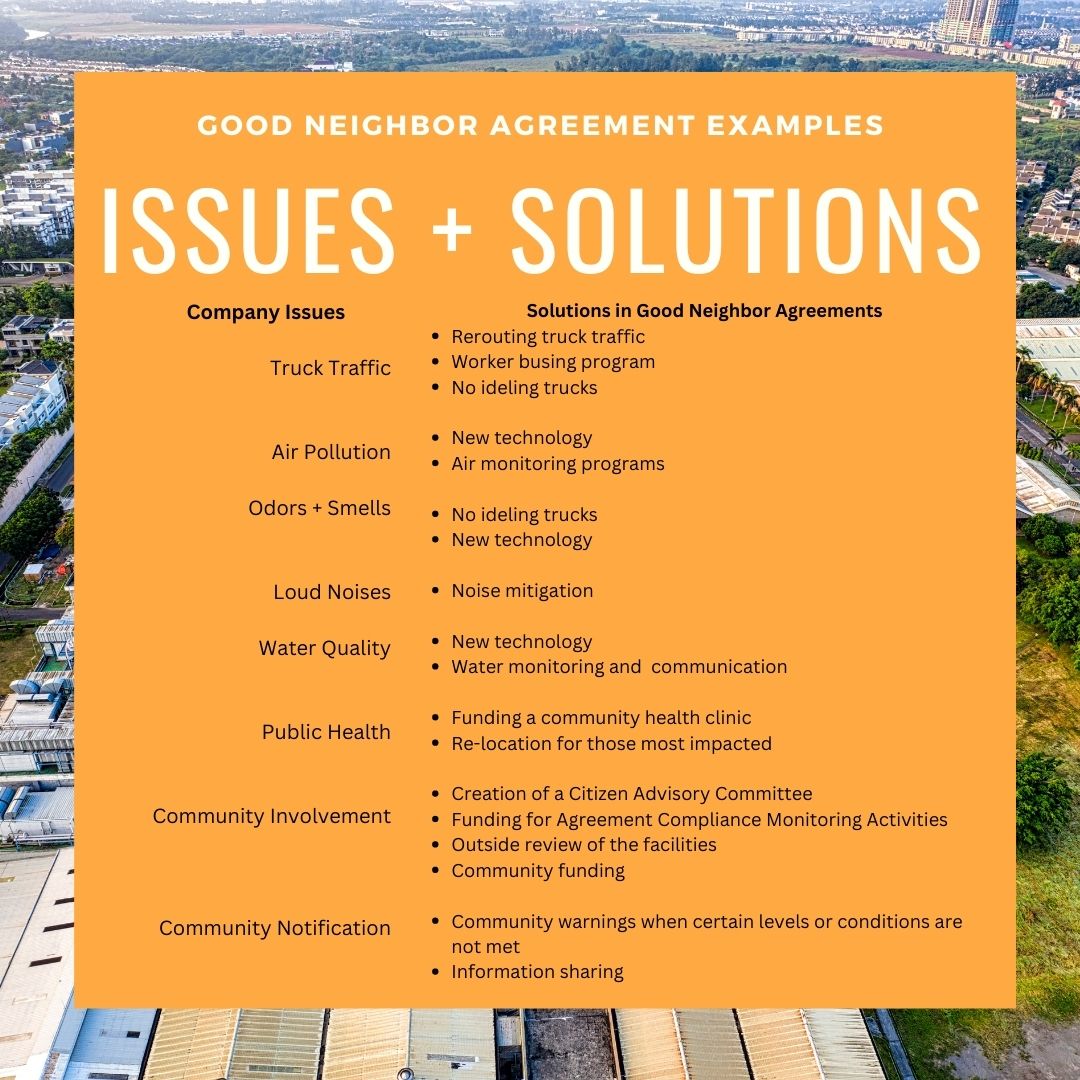
Good Neighbor Agreement - issues and solutions examples
A Good Neighbor Agreement is an agreement between a coalition of community groups and a local company that has already been operating and in business.
The Agreement includes behaviors the company will change, or things they will start doing, to reduce bad impacts they are having on the community.
Agreements can be legally binding contracts or can be ‘hand-shake’ agreements. Legally binding contracts can help community have stronger enforcement.
Decision-Making Power: Community Coalition and Local Company
-
GNA’s are helpful when the community wants to force the company to address their public health, environmental, or nuisance issues and the community has some leverage, such as:
Company needs a permit or public approval.
Company is vulnerable to a lawsuit;
Company wants good public relations (usually to expand)
Company changes ownership
The company has been ignoring community complaints.
-
This activity may be easier for someone or a team who has these strengths:
Relationship Building + Feeling
Influencing + Motivating
Strategy + Thinking
Executing + Doing
-
Evaluating the Use of Good Neighbor Agreements Report: https://scholar.law.colorado.edu/cgi/viewcontent.cgi?referer=&httpsredir=1&article=1018&context=books_reports_studies
Northern Plains Resource Council Good Neighbor Agreement Example & Resources: https://northernplains.org/good-neighbor-agreement/
Get Legal help
If a decision has already been made and you or your community is being harmed, hurt, or injured, it may be time to talk to an attorney. An attorney can help when:
The fight reaches its culminating point.
Clear violation of fundamental rights.
Community has exhausted efforts through the democratic or regulatory process.
Administrative challenge or appeal.
Decision-Making Power: Community
-
Case Costs and Fees
What is your fee structure? Do you work on a contingency fee basis (i.e., you only get paid if I win)?
What percentage of the recovery do you typically charge for personal injury cases?
Are there any additional costs or expenses that I should expect (e.g., expert witness fees, court costs)?
Communication and Accessibility
How will you keep me updated on the progress of my case?
What is your typical response time when I have questions or need updates?
Will you be the one personally handling the case, or will other attorneys or paralegals be involved?
Strategy and Success
How will you investigate the source of contamination and the extent of damage?
What kind of timeline do you anticipate for this case?
Do you foresee any challenges or potential obstacles in this case?
Have you handled cases involving environmental contaminants before?
Can you provide examples of similar cases you've successfully represented?
-
Community:
Experts on history and culture of community
Supports those most impacted in the community
Identifies grievances
Develops demands
Develops strategy to achieve demands
Layers:
Expert on the law and procedure
Supports grassroots organizing
Provides community education
Organizational development
Leadership development
-
Fair Shake provides pro-bono and sliding-fee-scale legal representation, counseling and support. Here is what to expect:
Communities can call us at 412-664-5546 or fill out this form: https://www.fairshake-els.org/contact-us.
One of our attorneys will set up an intake call – during this call the attorney listens more about the situation, see if there is a legal angle to the problem, explain our pro-bono and sliding-fee-scale pricing structure, and give them a price estimate based on:
For individuals: annual income and family size
For nonprofit and grassroots: average of last three (or less) years of funding
For municipalities: sliding scale based off average annual budget of previous three years, plus additional discount if it is an Environmental Justice community as identified by Climate and Economic Justice Screening Tool.
The attorney brings the potential case back to our full team, where the team discusses if we have the expertise and capacity to help, if there are legal levers in the situation, and that it fits to our strategic environmental justice mission. If we are able to move forward, we will sign a retainer agreement with the client and begin legal representation & counseling.
If we aren’t able to help, we try to provide a good referral, or encourage them to call back in a few months when our capacity is different.
-
This activity may be easier for someone or a team who has these strengths:
Relationship Building + Feeling
Influencing + Motivating
Strategy + Thinking
Executing + Doing
-
Fair Shake: www.fairshake-els.org
West Virginia University Land Use Clinic: https://landuse.law.wvu.edu/
Case Western Reserve Law Clinic: https://case.edu/law/clinic
Appalachian Citizen Law Center: https://aclc.org/
work to make sure the same thing doesn’t happen again.
No matter where you are, you can still walk back up the river to try and change things so that the same things don’t happen in the future!
Looking for Support?
Let us know how we can help.